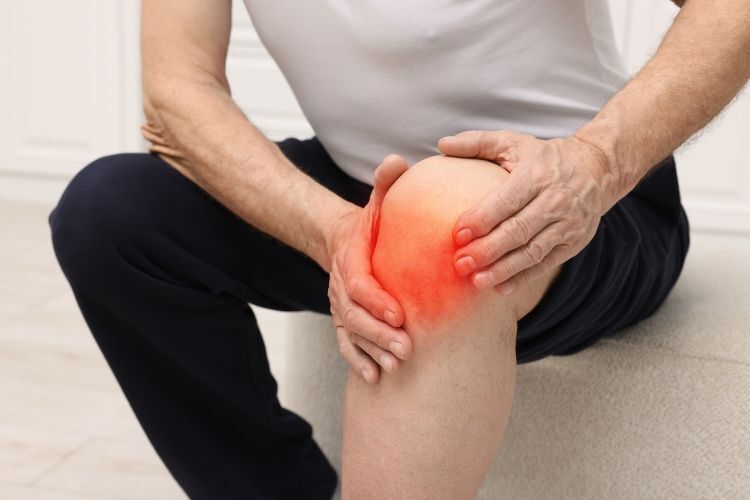
Knee bursitis can turn a simple job like weeding the garden or scrubbing the kitchen floor into something you dread. The front of the knee swells, the skin over the kneecap feels tender, and kneeling suddenly hurts. It’s a common problem, and most people improve with the right mix of rest, smart movement, and gentle care.
Dr. Patrick Nicholson, a Fulton chiropractor, has helped families in Oswego County stay active since opening Community Chiropractic, P.C. in 1998. Here is what the condition is, what causes it, which signs call for urgent medical care, and what you can do to feel better.
What Is Knee Bursitis?
Knee bursitis is inflammation of a bursa, one of the small fluid-filled sacs that cushion the bones, tendons, and skin around the joint. Healthy bursae let tissues glide past each other with very little friction. When one gets irritated, it fills with extra fluid and swells. You may also hear it called bursitis of the knee. The terms mean the same thing.
Types of Knee Bursitis
Where the swelling shows up tells you which bursa is involved.
- Prepatellar bursitis sits in front of the kneecap and is often called housemaid’s knee. It is the type most tied to kneeling.
- Infrapatellar bursitis appears just below the kneecap.
- Pes anserine bursitis affects the inner knee, a few inches below the joint line. It is common in runners and in people with knee arthritis.
Knee Bursitis Symptoms: What Does It Feel Like?
Most people first notice a soft, puffy swelling over or beside the knee. The area often feels warm, tender, and stiff, and the pain sharpens when you kneel, squat, or climb stairs. Some people also feel a dull ache at rest. A knee that locks or gives way points to a different problem, such as a meniscus or ligament injury, and deserves a proper exam. Pain that starts in the low back and travels down the leg can also pass for knee pain.
What Causes Bursitis in the Knee?
Repeated pressure is the most common cause. Carpet installers, plumbers, gardeners, and anyone who spends long stretches on their knees load the front bursa again and again. A direct hit does the same thing, whether it comes from a slip on an icy Fulton sidewalk or a bump against the coffee table.
Other common causes include:
- Overuse from running, cycling, or frequent stair climbing
- Arthritis or gout in the knee joint
- Stiff hips, tight low back muscles, or poor foot mechanics that change how the knee absorbs force
- A cut or scrape that lets bacteria into the bursa
The mechanics piece gets overlooked. When a restricted hip or low back makes the knee work harder with every step, the bursae around it take the extra strain.
When Septic Bursitis in the Knee Needs Urgent Care
An infected bursa is a medical problem that usually needs antibiotics. Get care the same day if your swollen knee is hot and red, the redness is spreading, you have a fever or chills, or the swelling sits near a cut, scrape, or puncture. Chiropractic care does not treat infection. Head to urgent care or the emergency room first, and come see us once you have been cleared.
Knee Bursitis Treatment: What Helps at Home
Mild flares often calm down with a few steps taken early:
- Skip kneeling and deep squats for a week or two.
- Ice the knee for 15 to 20 minutes, a few times a day, with a thin towel between the ice and your skin.
- Raise the leg on a pillow when you sit.
- Use a cushioned kneeling pad if your work puts you on the floor.
Ask your doctor or pharmacist whether an over-the-counter anti-inflammatory is safe for you. If swelling lingers past two weeks or keeps returning, it is time to look at how the whole leg is moving.
How Chiropractic Care Supports Knee Bursitis Recovery
Dr. Nicholson cannot drain an inflamed bursa. What he can do is look for the reasons your knee is taking more stress than it should. Restricted motion in the hip, pelvis, or low back, or a stiff ankle, changes how force travels down the leg, and the knee absorbs the difference.
Care at Community Chiropractic uses the Activator Method, a hand-held instrument that delivers a quick, light impulse to specific joints. There is no twisting, cracking, or popping. That gentleness matters when a knee is already sore, and it suits children, older adults, and patients with arthritis or osteoporosis. Dr. Nicholson pairs adjustments with practical guidance on loading the knee safely, so progress lasts beyond the appointment. For flare-ups that keep coming back, correcting the movement pattern behind it is often what breaks the cycle.
You can learn more about how our Activator Method approach works for the whole family, or how we care for the back pain that may be feeding into your knee.
Knee Bursitis Exercises: Gentle Movements for Recovery
Once the knee is no longer hot or visibly swollen, easy movement keeps the joint from stiffening. Check with Dr. Nicholson or your doctor before starting, then try these:
- Quad sets: tighten the thigh with your leg straight, hold for five seconds, and relax.
- Heel slides: lying down, slide your heel toward your buttock and back.
- Straight leg raises: lift the straightened leg to the height of the opposite knee, then lower slowly.
- Glute bridges: lift your hips off the floor to strengthen the muscles that share the knee’s workload.
Do 10 repetitions once or twice a day and stop if pain or swelling increases. Hold off on lunges, deep squats, and kneeling work until the knee settles, since those movements irritate the bursa most. Dr. Nicholson also offers guided exercise videos online so patients can follow along between visits.
Knee Bursitis FAQs
Does knee bursitis go away on its own?
Often, yes. Mild cases usually settle within a few weeks once you stop irritating the knee. If the cause stays in place, such as daily kneeling on hard floors, it tends to return.
Is walking good for knee bursitis?
Gentle walking on flat ground is usually fine if it does not increase pain or swelling. Skip hills, stairs, and long distances during a flare.
Should I wear a knee brace for bursitis?
A soft sleeve or cushioned pad can protect a sore knee and remind you to avoid kneeling. It will not fix the underlying cause, and a brace that is too tight can add irritation.
Is bursitis the same as arthritis?
No. Bursitis inflames the cushioning sac, while arthritis wears on the joint cartilage. The two can occur together, which is why a proper exam matters.
Can children get bursitis in the knee?
Yes, though it is less common. It usually follows a fall or repeated kneeling on hard surfaces. Any child with a swollen, painful knee should be examined promptly.
Get Help for Knee Bursitis in Fulton, NY
If your knee has been swollen or sore for more than two weeks, or the swelling keeps coming back, schedule a visit with Dr. Patrick Nicholson. He will look at what is overloading your knee and build a gentle plan to ease it. Call Community Chiropractic, P.C. at (315) 592-4740 or visit us at 16 Canalview Mall, Fulton, NY 13069.